


 English
 Español
 русский


Nylon Cable Ties: Types, Materials and Applications Guide
Nylon cable ties are available in a wide range of types, materials, and sizes — from 2.5mm miniature ties holding 18 lbs to 7.6mm heavy-duty ties holding 120 lbs or more. The material composition determines temperature resistance, UV stability, and chemical durability, while the type determines how the tie is installed, released, and reused. This guide provides a complete overview of nylon cable tie types, materials, and applications to help buyers understand the basics before selecting products for their specific needs.
1. Nylon Cable Tie Materials
The performance of a cable tie is largely determined by its material. Different nylon grades offer different properties.
PA66 (Nylon 6.6)
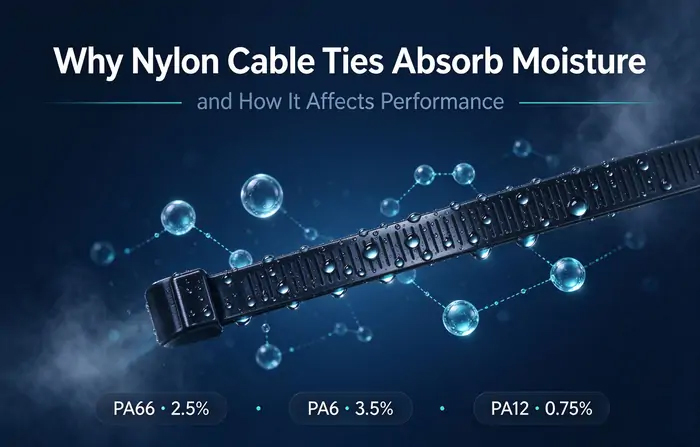
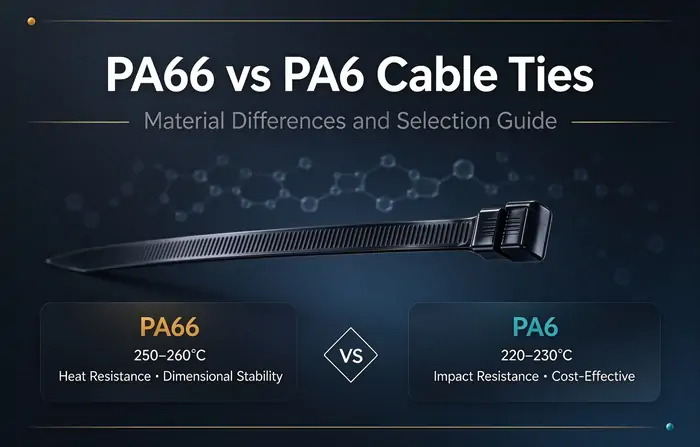
PA66 is the most common material for cable ties. It offers high strength, good rigidity, and excellent heat resistance. Standard PA66 cable ties operate from -40°C to +85°C. Modified PA66 formulations can withstand -60°C to +150°C. PA66 absorbs approximately 2.5% moisture at equilibrium.
Best for general-purpose indoor and industrial applications.
PA6 (Nylon 6)
PA6 offers good impact resistance and toughness. It has a lower melting point (220–230°C) compared to PA66 (250–260°C). PA6 absorbs more moisture than PA66 — approximately 3.5% at equilibrium.
Best for applications requiring impact resistance and flexibility.
PA12 (Nylon 12)
PA12 offers excellent chemical stability and fatigue resistance. It absorbs significantly less moisture than PA6 or PA66 — only 0.75% at equilibrium. This low moisture absorption makes PA12 more dimensionally stable in humid environments. PA12 cable ties are engineered for outdoor applications with UV resistance up to 30,000 hours of sunlight exposure.
Best for outdoor applications, UV exposure, and humid environments.
PA11
PA11 is an environmentally friendly nylon with good chemical stability. It offers similar properties to PA12 with slightly different processing characteristics.
Best for applications requiring environmental compliance and chemical resistance.
ETFE
ETFE cable ties offer excellent resistance to chemicals and corrosion, and can withstand high temperatures up to 170°C for 720 hours.
Best for extreme environments, chemical exposure, and high-temperature processes.
For a deeper look into high-performance material options, explore the high-performance product line.
2. Material Comparison
| Material | Melting Point | Operating Temp | Water Absorption | Key Strength |
| PA6 | 220–230°C | -40 to 80°C | 3.50% | Impact resistance, toughness |
| PA66 | 250–260°C | -40 to +85°C | 2.50% | High strength, rigidity, heat resistance |
| PA12 | 178–180°C | -40 to +85°C | 0.75% | Chemical stability, low moisture absorption |
| PA11 | 190°C | — | 2.70% | Environmental friendliness, chemical stability |
| ETFE | — | Up to 170°C | — | Chemical resistance, high temperature |
3. Types of Nylon Cable Ties
FSCAT offers five main categories of nylon cable ties. View the complete product range.
Self-Locking Cable Ties
Self-locking cable ties are the most common type. They feature an internal locking mechanism that secures the tie in place once tightened. Nearly 100 pairs of moulds are used for self-locking cable ties with hot runner systems, ensuring smoother flow of plastic and more accurate dimensional parameters.
Available sizes include:
- 2.5mm: 18 lbs tensile strength
- 3.6mm: 42 lbs tensile strength
- 4.8mm: 50 lbs tensile strength
- 7.6mm: 130 lbs tensile strength
- 9.0mm: 175 lbs tensile strength
Best for general-purpose cable management, electrical installations, and permanent bundling.
Releasable Cable Ties
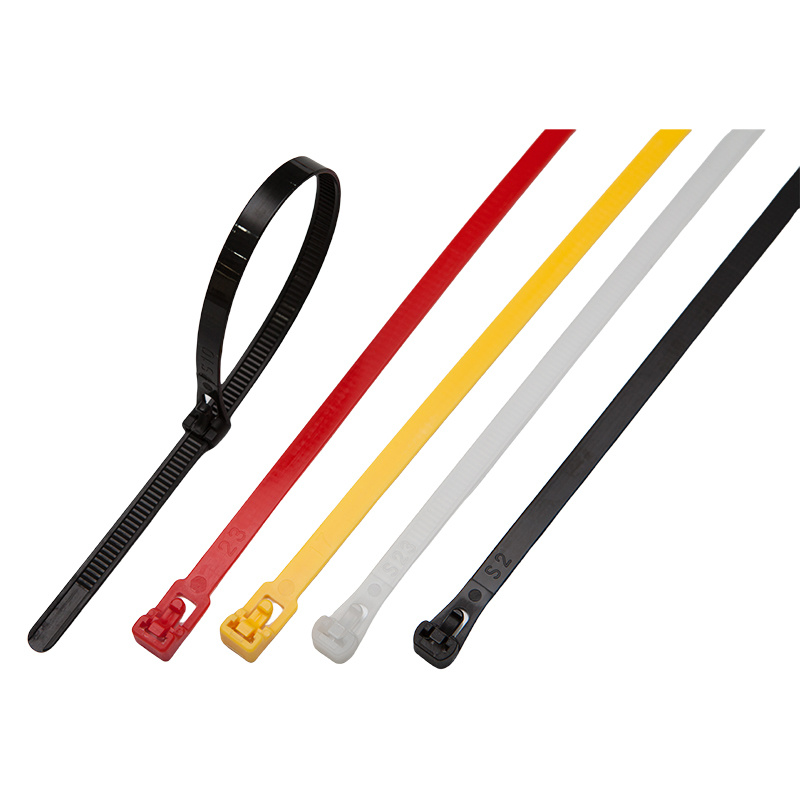
Releasable cable ties allow for easy release and reattachment. They are ideal for applications requiring reusability or adjustment, such as cable management, equipment maintenance, and temporary securing.
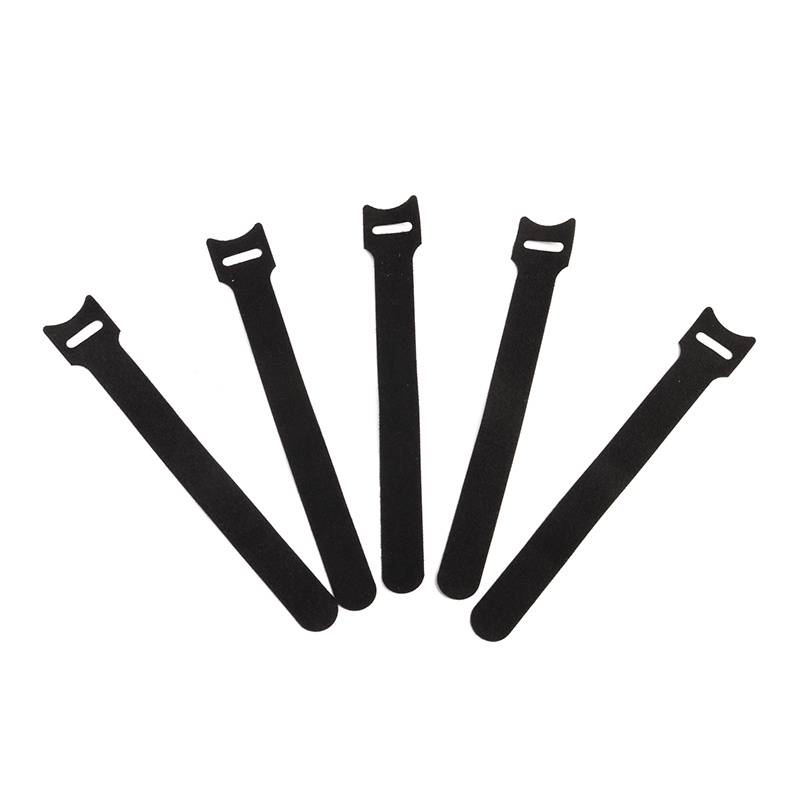
Sub-types include reusable cable ties, bead-hole cable ties for organizing data cables and power cords, Velcro cable ties for frequent adjustments, and reusable push-mount cable ties.
Best for applications requiring frequent adjustments, temporary securing, and reusable fastening.
Functionality Cable Ties
Functionality cable ties are designed for specific functional requirements. They are RoHS and REACH compliant, with good resistance to abrasion, corrosion, and ageing.
Sub-types include marker cable ties for signage and labeling, mounting hole cable ties with fixed heads, dual-head cable ties for two-point bundling, dual-lock cable ties with external serrations for high-vibration environments, flat-head cable ties for minimizing damage to surfaces, and lead seal cable ties for tamper-evident security sealing.
Best for specialized applications requiring labeling, mounting, dual-point bundling, vibration resistance, or security sealing.
High-Performance Cable Ties
High-performance cable ties are made with special materials designed to meet advanced application needs, ensuring outstanding performance even under extreme conditions.
Sub-types include:
- Metal detectable cable ties: Designed for food, beverage, and pharmaceutical industries, meeting HACCP requirements. Embedded metal particles allow detection by metal detectors, significantly reducing contamination risks.
- Low-temperature cable ties: Remain effective in extreme cold down to -40°C, maintaining flexibility and strength to prevent brittleness.
- ETFE cable ties: Withstand high temperatures up to 170°C with excellent chemical and corrosion resistance.
- PA12 cable ties: Engineered for outdoor applications with UV resistance up to 30,000 hours.
- V0 flame-retardant cable ties: UL94 V0 rated for high fire resistance, widely used in electronics, data centers, automotive, and electrical equipment.
- Heat-stabilized cable ties: Provide stability and strength in extreme heat for aerospace, automotive, and industrial equipment.
- UV-resistant cable ties: Perfect for outdoor use in solar power stations, communication towers, and construction.
Best for extreme environments, food processing, outdoor installations, high-temperature applications, and safety-critical applications.
Automobile Latch Cable Ties
Automobile latch cable ties are specifically designed for automotive applications. They are made of nylon 6.6 or nylon 6 and are manufactured using high clamping and high injection speed injection moulding machines. They feature high strength, toughness, and abrasion resistance to adapt to harsh working environments inside cars, such as high temperature and vibration.
Sub-types include threaded-head cable ties for secure fastening using a nut and push-mount cable ties for flexible fastening.
Best for automotive wiring harnesses, vehicle frames, engines, and dashboards.
4. Common Applications
| Industry | Applications | Recommended Type |
| Electrical & Electronics | Wiring, panel assembly, data centers | Self-locking, V0 flame-retardant |
| Construction | Building wiring, cable management | Self-locking, heavy-duty |
| Automotive | Wiring harnesses, engine compartments | Automobile latch, heat-stabilized |
| Food Processing | Equipment bundling, contamination prevention | Metal detectable |
| Pharmaceutical | Medical equipment, clean rooms | Metal detectable |
| Outdoor & Solar | Solar panels, communication towers | PA12, UV-resistant |
| Cold Chain & Refrigeration | Cold storage, logistics | Low-temperature |
| Marine & Offshore | Shipbuilding, corrosive environments | ETFE, corrosion-resistant |
| Mining & Heavy Industry | Heavy equipment, infrastructure | Heavy-duty, ultra-heavy-duty |
| Logistics & Warehousing | Security sealing, tamper evidence | Lead seal |
5. How to Choose the Right Cable Tie
Step 1: Determine the material
- Standard indoor use → PA66
- Outdoor UV exposure → PA12 or UV-stabilized PA66
- Extreme cold → Low-temperature PA66
- Extreme heat → Heat-stabilized PA66 or ETFE
- Food/pharmaceutical → Metal detectable
- Chemical exposure → ETFE
Step 2: Select the type
- Permanent bundling → Self-locking
- Reusable/temporary → Releasable
- Specialized function → Functionality
- Extreme environment → High-performance
- Automotive → Automobile latch
Step 3: Choose the size
Measure bundle diameter and required tensile strength. Sizes range from 2.5mm (18 lbs) to 9.0mm (175 lbs) or larger.
Step 4: Verify certifications
Check if UL, RoHS, REACH, or industry-specific certifications are required.
If your application has specific material, temperature, or certification requirements, consult the technical team for recommendations.
6. Common Mistakes to Avoid
Mistake 1: Choosing the wrong material for the environment
A standard PA66 tie used outdoors will degrade under UV exposure. Select PA12 or UV-stabilized materials for outdoor applications.
Mistake 2: Ignoring temperature extremes
Standard PA66 operates from -40°C to +85°C. For temperatures outside this range, select modified PA66 (-60°C to +150°C) or ETFE (up to 170°C).
Mistake 3: Using non-releasable ties for temporary applications
If you need to adjust or remove ties frequently, select releasable cable ties instead of self-locking ones.
Mistake 4: Overlooking industry-specific requirements
Food processing requires metal detectable ties for HACCP compliance. Automotive applications require vibration-resistant designs.
FAQ
Q: What is the difference between PA6 and PA66 cable ties?
PA66 offers higher strength, rigidity, and heat resistance (melting point 250–260°C) compared to PA6 (melting point 220–230°C). PA6 offers better impact resistance and toughness.
Q: What are PA12 cable ties used for?
PA12 cable ties are engineered for outdoor applications. They offer UV resistance up to 30,000 hours of sunlight exposure and absorb very little moisture (0.75%), making them ideal for outdoor, humid, and UV-exposed environments.
Q: What are metal detectable cable ties?
Metal detectable cable ties are designed for the food, beverage, and pharmaceutical industries. They contain embedded metal particles that allow detection by metal detectors, helping prevent contamination and meeting HACCP requirements.
Q: What temperature can nylon cable ties withstand?
Standard PA66 cable ties operate from -40°C to +85°C. Modified PA66 can withstand -60°C to +150°C. ETFE cable ties can withstand up to 170°C for 720 hours.
Q: What is the difference between self-locking and releasable cable ties?
Self-locking cable ties are permanent — once tightened, they cannot be released without cutting. Releasable cable ties can be opened and reattached multiple times, making them ideal for temporary securing and frequent adjustments.
Q: How do I choose the right cable tie size?
Measure your bundle diameter and estimate the required tensile strength. Sizes range from 2.5mm (18 lbs) to 9.0mm (175 lbs) and larger. For heavy-duty applications, refer to the heavy-duty cable tie size selection guide.
Conclusion
Nylon cable ties are available in a wide range of types and materials to suit virtually any application. PA66 is the standard material for most general-purpose applications, while PA12 is the go-to choice for outdoor UV exposure, ETFE for extreme chemical and temperature environments, and metal detectable for food and pharmaceutical applications. The five main types — self-locking, releasable, functionality, high-performance, and automobile latch — cover everything from permanent bundling to specialized automotive and security applications.
The most common mistake is selecting a tie based on size alone without considering material and type. A tie that is the right length but the wrong material will fail in the application environment. Start by understanding your application requirements — temperature, UV exposure, chemical exposure, load, and whether reuse is needed — then select the material and type that match those requirements.
To learn more about specific topics, explore our guides on heavy-duty cable tie sizes and how much weight heavy-duty cable ties can hold.
Disclaimer: The material data, temperature ranges, and technical information presented in this article are compiled from industry-standard references and general engineering knowledge for general informational purposes only. Actual product performance may vary depending on manufacturing processes, material formulations, and specific application conditions. Buyers are strongly encouraged to consult the technical team to confirm product specifications for their specific use cases.
NEXT:Heavy Duty Cable Tie vs Standard Cable Tie: Differences Explained
Interested in cooperation or have questions?
-
 View MoreMiniature Nylon Cable Ties 18 LBS
-
 View MoreIntermediate Nylon Cable Ties 40 LBS
-
 View MoreStandard Nylon Cable Ties 50 LBS
-
View MoreHeavy Duty Nylon Cable Ties 120 175 250 LBS
-
 View MoreBulk Cable Tie Value Pack
-
 View MoreReusable Releasable Cable Ties
-
 View MoreMagic Reusable Cable Ties
-
 View MoreStainless Steel Self Locking Cable Ties
-
 View MorePVC Coated Stainless Steel Cable Ties
-
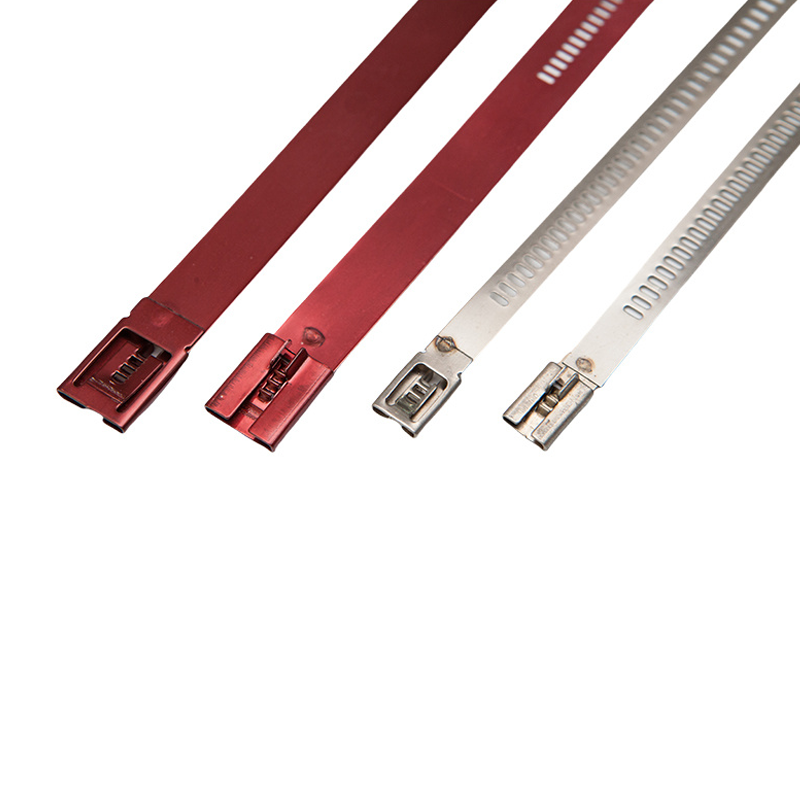 View MoreMulti Lock Stainless Steel Cable Ties
-
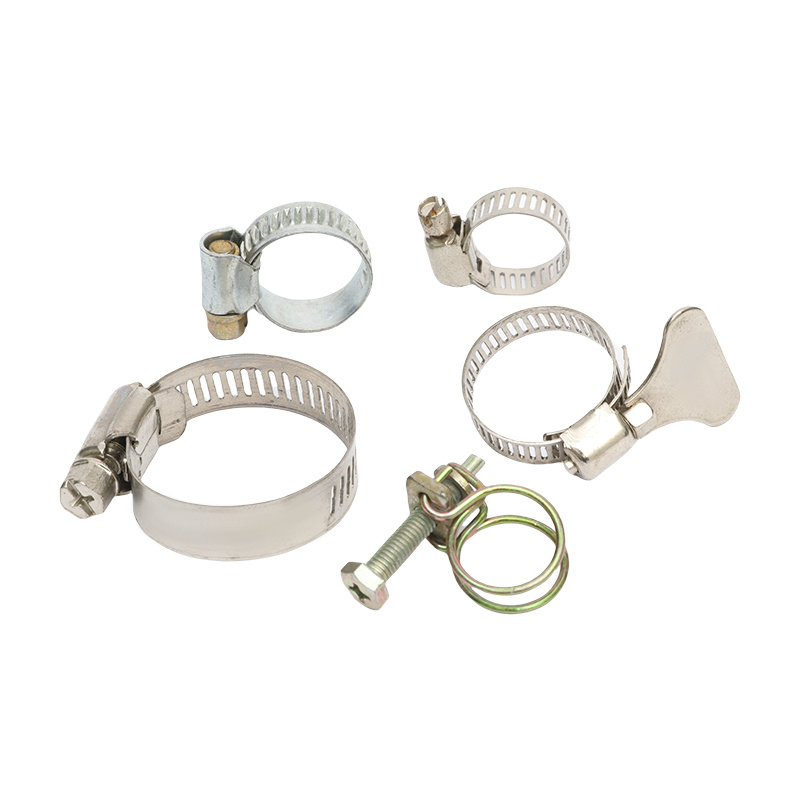 View MoreStainless Steel Hose Clamps
-
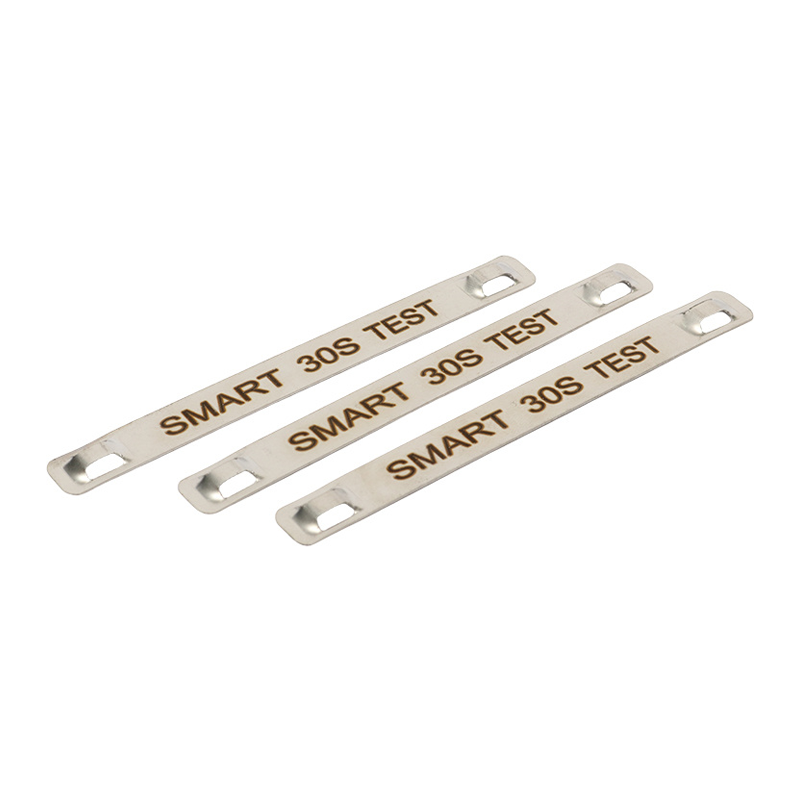 View MoreStainless Steel Cable Tie Markers
 LET'S CREATE THE FUTURE TOGETHER

Contact Us Anytime
Our Location
No. 57, Yufang Road, Yangming Sub-district, Yuyao City, Ningbo City, Zhejiang Province, China.


Product Categories
Contact Us
bella@szsplastic.com
+86-15105741066
ivy@szsplastic.com
+86-15958801211
sabrina@szsplastic.com
+86-15205749066
vivian@szsplastic.com
+86-15158306808
allen@szsplastic.com
+86-15205748066
stella@szsplastic.com
+86-15990290008
dora@szsplastic.com
+86-15990281608
pepo@szsplastic.com
+86-15958801191
Copyright © NINGBO SANZHENG PLASTIC CO., LTD. All Rights
Reserved.
