


 English
 Español
 русский


How to Select Cable Ties for Low-Temperature Environments – What Works at -40°C
When the temperature drops to -40°C, a standard nylon cable tie can fail not by loosening gradually, but by snapping the moment tension is applied. Selecting the right nylon cable ties for extreme cold requires understanding material chemistry, application conditions, and the specific performance metrics that matter below freezing. This guide explains what works, what doesn't, and how to match the right cable tie to your cold-environment application.
1. What Happens to Standard Nylon Cable Ties in the Cold?
Standard nylon 6.6 cable ties are hygroscopic — they absorb moisture from the air. At room temperature, this moisture acts as a plasticizer, improving flexibility. But when the temperature drops below freezing, the absorbed moisture forms ice crystals within the polymer matrix. The result is a dramatic loss of impact resistance and elongation at break.
In practical terms, a cable tie that installs easily at 20°C may shatter during tensioning at -20°C. Even if installation is successful, thermal cycling — repeated freezing and thawing — can accelerate micro-cracking, leading to premature failure weeks or months later.
This failure mode is well documented in polymer science and has been observed across industries including refrigeration, outdoor telecommunications, and cold-chain logistics. The root cause is not poor manufacturing; it is a mismatch between the material's properties and the application's true thermal demands.
2. What Temperature Range Can Different Cable Tie Materials Withstand?
Not all nylon cable ties are created equal. The table below compares the operating temperature ranges of common cable tie materials. For a complete overview of options, browse the cable tie product catalog.
| Material | Continuous Operating Temperature | Low-Temperature Performance | Key Limitation in Cold |
| Standard Nylon 6.6 | -40°C to +85°C | Brittle near -40°C; impact resistance drops significantly | Moisture absorption causes ice crystal formation |
| Heat-Stabilized Nylon 6.6 | -40°C to +150°C | Similar to standard at low end | Same moisture sensitivity |
| PA12 Nylon | -40°C to +85°C | Superior impact resistance at low temperatures; maintains flexibility | Higher material cost |
| ETFE | -80°C to +165°C | Excellent; zero moisture absorption | Lower tensile strength than nylon at room temperature |
| PEEK | -60°C to +260°C | Outstanding; maintains mechanical properties | Significantly higher cost |
Key takeaway: While many materials are rated to -40°C on paper, their real-world performance at that temperature varies significantly. Moisture absorption is the differentiator — materials like PA12 and ETFE, which absorb little to no moisture, consistently outperform standard nylon 6.6 in cold, wet environments.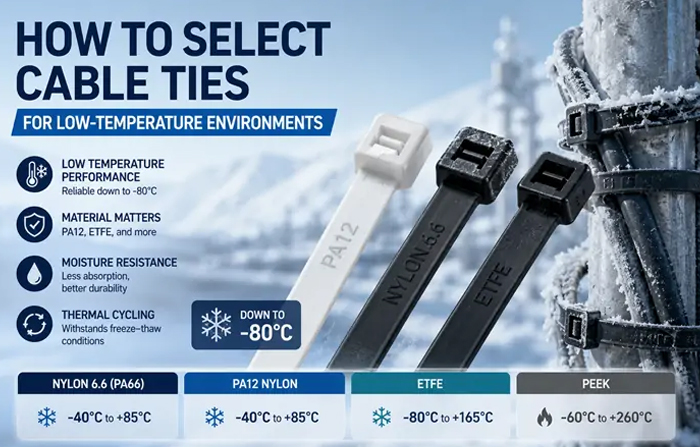
3. Why "Rated to -40°C" Doesn't Always Mean -40°C-Ready
A common mistake is treating a manufacturer's published "operating temperature range" as a guarantee of performance across all conditions. The temperature rating typically refers to the material's ability to survive at that temperature, not its ability to perform mechanically — to hold tension, resist impact, or survive installation.
For cold environments, you need to evaluate:
- Impact resistance at temperature: How much force can the tie absorb before breaking?
- Flexibility at installation: Can the tie be pulled through the locking mechanism without cracking?
- Moisture content: Has the tie been dried and packaged to minimize moisture before installation?
- Thermal cycling: Will the tie survive repeated freeze-thaw cycles?
Suppliers who can provide test data — such as impact resistance values at -40°C or elongation retention after cold conditioning — offer a more reliable basis for selection than a single temperature number on a datasheet.
4. Material Options for Low-Temperature Applications
Standard Nylon 6.6 (PA66)
Best for: Indoor refrigeration, occasional cold exposure, cost-sensitive projects.
Standard nylon 6.6 can work in cold environments if properly dried and installed. However, its performance degrades significantly below -20°C, especially in humid conditions. For applications that experience sustained temperatures below -30°C, consider upgraded materials.
PA12 Nylon
Best for: Outdoor applications, cold storage facilities, marine environments, and projects requiring UV resistance.
PA12 nylon absorbs significantly less moisture than PA66 — approximately 0.75% equilibrium water absorption compared to 2.5–3.5% for PA66. This lower moisture uptake translates to better dimensional stability and impact resistance in cold, wet conditions. Additionally, PA12 cable ties offer UV resistance up to 30,000 hours of sunlight exposure, making them suitable for outdoor solar installations and telecommunications infrastructure.
To compare these options in detail, explore the high-performance material grades available for extreme conditions.
ETFE
Best for: Extreme environments requiring chemical resistance, high-temperature capability, and zero moisture absorption.
ETFE cable ties operate from -80°C to +165°C and absorb virtually no moisture. They are chemically inert and resist most acids, bases, and solvents. While tensile strength at room temperature is lower than nylon, ETFE maintains its properties across a wider temperature range. For applications that experience both extreme cold and chemical exposure — such as offshore oil platforms or chemical processing plants — ETFE is a strong candidate.
5. Application Scenarios and Selection Guidance
| Application | Recommended Material | Rationale |
| Cold storage warehouse (-25°C) | PA12 or dried PA66 | PA12 offers better impact resistance in humid cold; PA66 works if properly dried |
| Outdoor solar array (-40°C winter) | PA12 | UV resistance + low-temperature flexibility |
| Refrigerated transport (-20°C) | PA66 (dried) | Cost-effective for moderate cold |
| Food processing cold room (-30°C) | Metal-detectable PA12 or PA66 | Combines low-temp performance with HACCP compliance |
| Offshore / marine (-40°C + salt spray) | ETFE or PA12 | Chemical resistance + low-temp performance |
| Pharmaceutical cold chain (-40°C) | PA12 or ETFE | Reliability in critical temperature-sensitive environments |
6. Low-Temperature Cable Tie Selection Checklist
Before specifying cable ties for a cold-environment project, verify the following:
- Operating temperature range — What is the minimum sustained temperature? What about short-term extremes?
- Moisture exposure — Will the ties be exposed to condensation, washing, or high humidity?
- Installation conditions — Will installation occur in the cold environment, or at room temperature before deployment?
- Thermal cycling — How many freeze-thaw cycles will the ties experience?
- UV exposure — For outdoor applications, does the material offer UV resistance?
- Certification requirements — Are UL, RoHS, REACH, or industry-specific certifications required?
- Tensile strength at temperature — Has the supplier provided test data at the minimum operating temperature?
- Packaging and storage — Are the ties properly sealed to prevent moisture absorption before installation?
7. Common Mistakes to Avoid
Mistake 1: Assuming all nylon is the same
PA66 and PA12 are both nylons, but their low-temperature performance differs significantly. PA12's lower moisture absorption gives it a clear advantage in cold, wet environments.
Mistake 2: Ignoring installation temperature
A cable tie installed at room temperature and then exposed to -40°C may perform differently than one installed at -40°C. The installation process itself can create micro-stresses that become failure points when the material embrittles.
Mistake 3: Overlooking UV exposure
Outdoor cold-weather applications — such as solar farms in northern climates — require both low-temperature flexibility and UV resistance. PA12 cable ties address both requirements.
Mistake 4: Relying solely on datasheet temperature ranges
Datasheet ranges are typically based on short-term exposure. For continuous cold service, request ageing or conditioning test data from the supplier.
FAQ
Q: What temperature can nylon cable ties withstand?
Standard nylon 6.6 cable ties are typically rated from -40°C to +85°C. However, impact resistance and flexibility decrease significantly near the lower end of this range, especially in humid conditions.
Q: Are PA12 cable ties better than PA66 for cold storage?
Yes. PA12 absorbs less moisture (approximately 0.75% vs 2.5–3.5% for PA66), which means better impact resistance and flexibility in cold, wet environments. PA12 also offers superior UV resistance for outdoor applications.
Q: Can standard nylon cable ties be used in freezers?
Standard nylon 6.6 cable ties can be used in freezer environments around -20°C if they are properly dried and installed. For temperatures below -30°C or for critical applications, PA12 or ETFE are recommended.
Q: Why do nylon cable ties become brittle in cold weather?
Nylon 6.6 absorbs moisture from the air. At low temperatures, this moisture freezes, forming ice crystals within the polymer. These crystals reduce ductility and cause the material to become brittle and prone to snapping under tension.
Q: What is the lowest temperature for cable ties?
ETFE cable ties can operate down to -80°C, while PA12 and standard PA66 are typically rated to -40°C. For sustained performance at -40°C, PA12 or ETFE are recommended over standard PA66.
Q: How should cable ties be stored in cold climates?
Store cable ties in sealed, moisture-proof packaging until installation. Nylon absorbs moisture from ambient air, and higher moisture content increases brittleness at low temperatures.
Conclusion
Selecting cable ties for low-temperature environments is not about finding a single "cold-rated" product — it is about matching material properties to the specific demands of your application. PA12 nylon offers the best balance of low-temperature flexibility, UV resistance, and cost for most outdoor and cold-storage applications. ETFE is the choice for extreme environments combining cold with chemical exposure. Standard PA66 can work in moderate cold if properly dried and installed.
The most common failure is not selecting the wrong material — it is assuming that a temperature rating guarantees performance. Always verify impact resistance, moisture content, and installation conditions before making a final specification. For applications below -30°C or with continuous cold exposure, request test data from your supplier and consider PA12 or ETFE materials.
For a full overview of available configurations, review the cable tie product catalog. If your project has specific temperature, certification, or packaging requirements, contact the engineering team to confirm the right specification.
NEXT:Heavy Duty Cable Tie Sizes: Complete Selection Guide
Interested in cooperation or have questions?
-
 View MoreMiniature Nylon Cable Ties 18 LBS
-
 View MoreIntermediate Nylon Cable Ties 40 LBS
-
 View MoreStandard Nylon Cable Ties 50 LBS
-
View MoreHeavy Duty Nylon Cable Ties 120 175 250 LBS
-
 View MoreBulk Cable Tie Value Pack
-
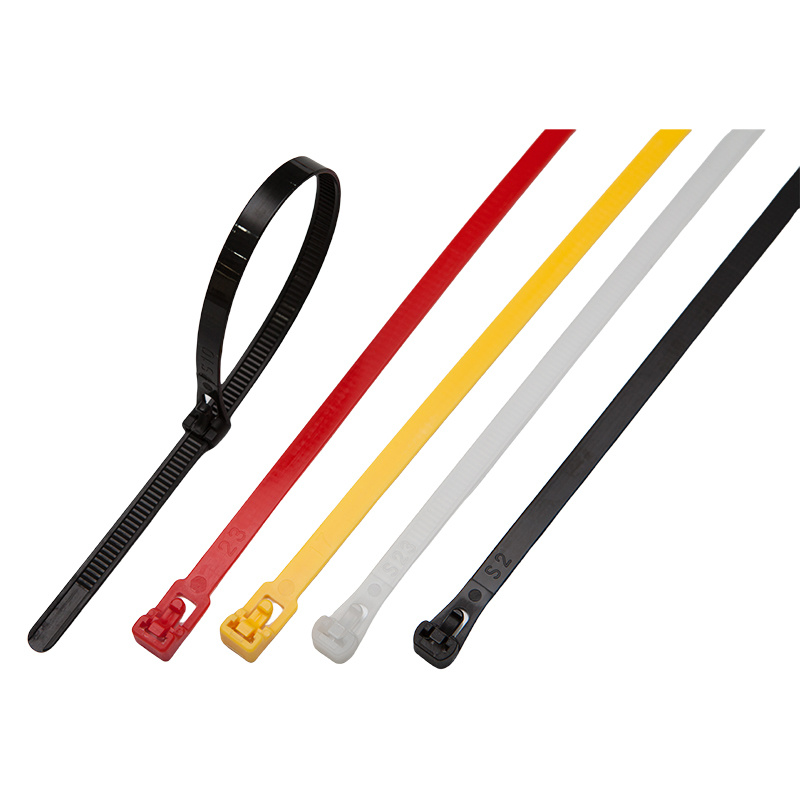 View MoreReusable Releasable Cable Ties
-
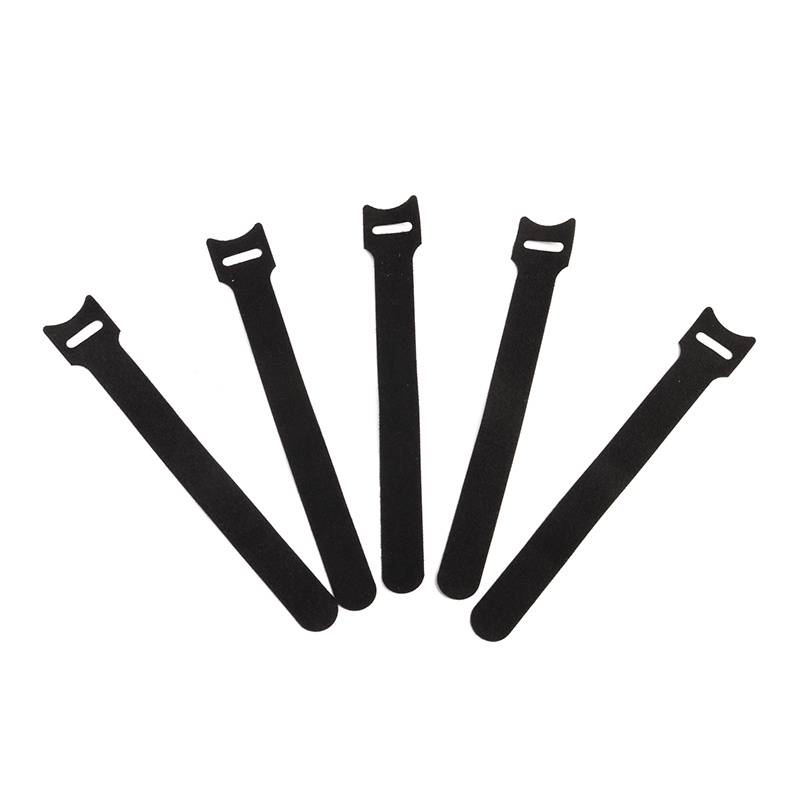 View MoreMagic Reusable Cable Ties
-
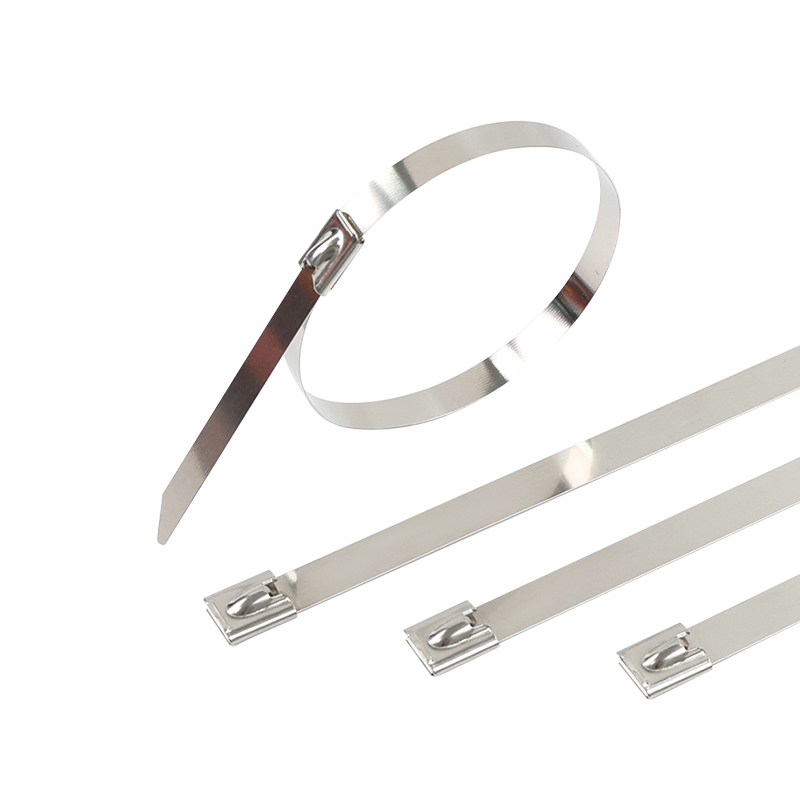 View MoreStainless Steel Self Locking Cable Ties
-
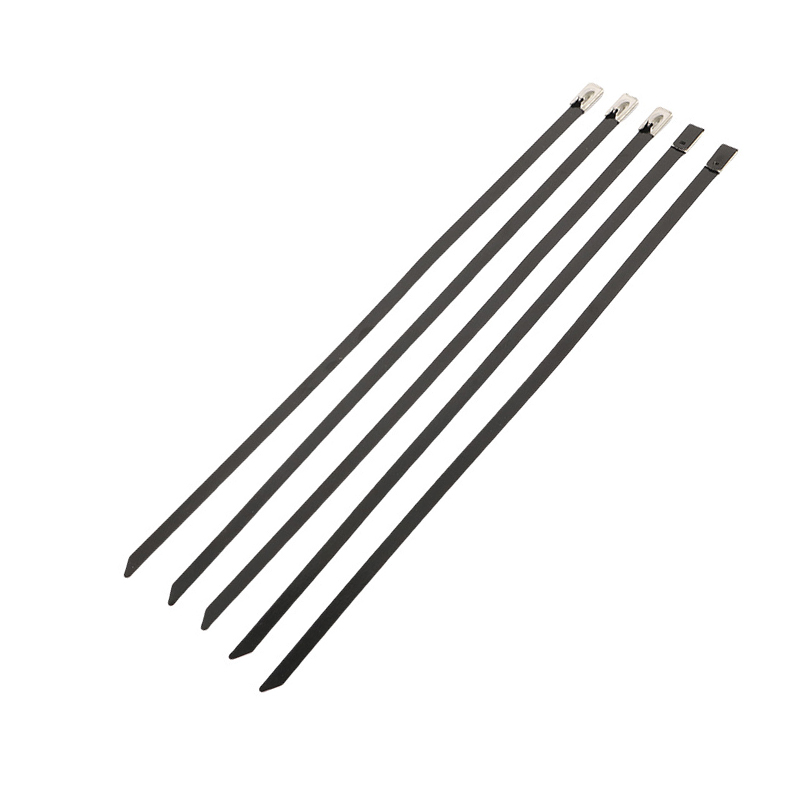 View MorePVC Coated Stainless Steel Cable Ties
-
 View MoreMulti Lock Stainless Steel Cable Ties
-
 View MoreStainless Steel Hose Clamps
-
 View MoreStainless Steel Cable Tie Markers
 LET'S CREATE THE FUTURE TOGETHER

Contact Us Anytime
Our Location
No. 57, Yufang Road, Yangming Sub-district, Yuyao City, Ningbo City, Zhejiang Province, China.


Product Categories
Contact Us
bella@szsplastic.com
+86-15105741066
ivy@szsplastic.com
+86-15958801211
sabrina@szsplastic.com
+86-15205749066
vivian@szsplastic.com
+86-15158306808
allen@szsplastic.com
+86-15205748066
stella@szsplastic.com
+86-15990290008
dora@szsplastic.com
+86-15990281608
pepo@szsplastic.com
+86-15958801191
Copyright © NINGBO SANZHENG PLASTIC CO., LTD. All Rights
Reserved.
